


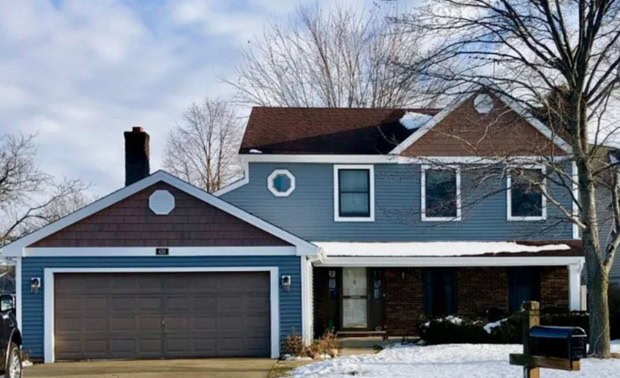
Choosing vinyl siding colors is one of the most visible parts of any exterior update. For homeowners planning an Arlington Heights, IL vinyl siding project, the right color can influence curb appeal, complement the home’s existing features, and continue to look attractive for years to come.
Personal preference matters, but it should be balanced with practical considerations. Lighting, surrounding materials, maintenance expectations, and neighborhood style can all affect whether a color choice feels right once it is installed.
How Lighting Can Change the Look of Vinyl Siding
Siding colors often look different outdoors than they do on a small sample or under indoor lighting. A color that seems neutral inside may appear much brighter, cooler, or warmer once it is installed on the home.
Several factors can influence how a siding color is perceived outside:
Sun Exposure
South-facing homes usually receive stronger sunlight throughout the day, which can make colors appear lighter or more washed out. North-facing areas often look more shaded, which may make the same color appear deeper or more muted.
Surrounding Elements
Trees, nearby homes, roof overhangs, and landscaping can all affect how much light reaches the siding. These details can subtly shift how a color reads from different angles.
For the best results, homeowners should view siding samples outside at different times of day before making a final decision.
Matching Siding Colors to Existing Exterior Features
Not every part of a home changes during a siding project. Roofing, brick accents, stonework, driveways, and walkways all remain part of the overall exterior design, so vinyl siding color should complement these features rather than compete with them.
In many cases, warm-toned roofs pair well with beige, tan, or brown siding, while cooler roof colors often coordinate better with gray, blue, or other neutral shades. Brick and stone can also help guide the color selection process, especially when a homeowner wants the finished look to feel cohesive instead of disconnected.
Balancing Personal Style with Neighborhood Appeal
A home should reflect the homeowner’s taste, but it should also feel appropriate within the surrounding neighborhood. Choosing a siding color that is dramatically different from nearby homes can sometimes create more contrast than intended.
Homes do not need to match exactly. It helps to look at nearby homes and choose a color that feels distinct without standing out too much. Accent features such as trim, shutters, and front doors can still add personality without overwhelming the exterior.
Maintenance Considerations Based on Siding Color
Vinyl siding is popular because it is relatively low maintenance, but the color a homeowner chooses can still affect how clean the exterior looks over time.
Lighter colors often do a better job of hiding dust, pollen, and everyday residue, which can help the home maintain a cleaner appearance with less noticeable buildup. Darker colors can create a bold, attractive contrast, but they may show dirt more easily and sometimes need more frequent cleaning to keep them looking sharp.
For homeowners comparing appearance and long-term upkeep, it can also help to review professional vinyl siding installation services as part of the planning process.
Using Accent Colors the Right Way
The siding color sets the tone for the home, but it is only one part of the finished design. Trim, fascia, shutters, and entry doors also shape the final appearance.
A simple approach tends to work best. Many homeowners start with a primary siding color, then choose trim that provides clean contrast and use accents sparingly for visual interest. Keeping the palette streamlined often creates a more timeless and balanced result.
Should Vinyl Siding Match the Roof?
Vinyl siding and roof colors do not need to match exactly, but they should coordinate. When the tones are too similar, the exterior can look flat. When the contrast is too strong, the design may feel disjointed.
The better approach is usually to choose complementary colors that create separation while still working together visually.
Choosing Between Light and Dark Vinyl Siding Colors
Both light and dark vinyl siding colors can work well, but each creates a different effect.
Light Colors
Light shades can make a home feel larger, brighter, and more traditional. They also tend to require less noticeable upkeep because dirt and residue are often less visible.
Dark Colors
Dark siding can give a home a more modern look and highlight architectural details, but it may also show buildup more quickly. Comparing samples outdoors remains one of the most effective ways to evaluate both appearance and maintenance expectations.
Can Vinyl Siding Color Be Changed Later?
Vinyl siding is not usually selected with repainting in mind. Although repainting may be possible in some cases, it is not typically the preferred long-term solution. That is why it helps to evaluate color choices carefully before installation.
A careful decision at the start can help homeowners avoid regret and feel more confident in the finished result.
Making the Right Choice for Your Home
Choosing vinyl siding colors is about more than appearance alone. Lighting, fixed exterior features, neighborhood consistency, and maintenance all play a role in how well a color works over time.
For homeowners in Arlington Heights, IL who want professional input on vinyl siding, taking a thoughtful approach to color selection can lead to a more balanced, lasting result. Lake Cook Exteriors, Inc. can help you evaluate options that fit your home’s style and existing exterior elements. Call (847) 991-9180 to schedule a consultation.