


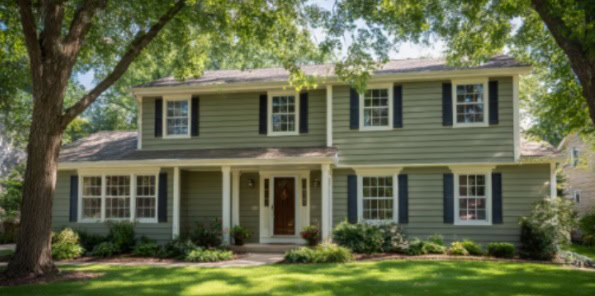
Quality vinyl siding installation in Arlington Heights, IL starts before a new panel goes on the wall. Midwest weather can expose vulnerable areas, so careful preparation includes checking the condition of the existing exterior, areas around openings, and how water currently moves across the property.
That preparation matters because siding is part of a larger exterior system. It needs to work alongside trim, windows, doors, rooflines, and gutters to help shed rain and melting snow while allowing the wall assembly to manage normal moisture.
Why Midwest Weather Makes Pre-Installation Preparation Important
Homes in Arlington Heights experience temperature changes, wind-driven rain, snow buildup, ice, and periods of damp weather. Over time, these conditions can loosen aging exterior materials, expose gaps around trim, and allow water to reach areas that may look fine from the ground.
New siding can improve the exterior, but it should not simply cover concealed deterioration. If moisture-damaged wall surfaces or loose trim remain unaddressed, new materials may temporarily hide the condition rather than resolve it.
Preparation also helps the installation crew determine the proper sequence of work. A dry, stable wall may be ready for new siding, while damaged areas, moisture concerns, or deteriorated transitions may require attention before installation continues.
What Should Be Inspected Before New Siding Is Installed?
An exterior assessment can help identify visible conditions that may affect preparation or installation. Several areas deserve particular attention.
Are Existing Siding and Trim in Good Condition?
Loose, cracked, warped, or missing exterior materials can indicate age-related deterioration, movement, or areas where weather has already affected the exterior.
Trim around windows, doors, corners, and roof intersections should also be reviewed. Trim is more than a decorative detail. It helps complete transitions where different exterior components meet.
Are Lower Wall Areas Showing Signs of Moisture?
Areas near grade, decks, steps, hose connections, and landscaping may receive repeated splashback, melting snow, and moisture exposure.
Staining, soft areas, or other visible changes do not establish the cause on their own, but they provide a reason to investigate further rather than simply covering the area with new siding.
What Happens If Concealed Damage Is Found?
Some conditions may not become visible until existing siding is removed. Homeowners should understand how unexpected findings will be documented, explained, and incorporated into the project scope.
Addressing compromised areas before covering the wall can help prevent an existing moisture or deterioration issue from remaining concealed behind the new exterior.
Plan for Moisture Around Openings and Transitions
Windows, doors, corners, rooflines, and other transitions interrupt broad wall surfaces, making careful water management particularly important.
- Review window and door perimeters: Openings can become paths for water when surrounding materials are worn, loose, or poorly integrated.
- Examine corners and siding transitions: Inside corners, outside corners, and changes between exterior surfaces should be planned so water does not collect or move behind the cladding.
- Look at rooflines and wall-to-roof connections: Roof runoff can concentrate water at these intersections, so the siding plan should account for how that water will be directed away from the wall.
- Coordinate gutters and downspouts: Overflowing gutters or downspouts that discharge too close to the home can repeatedly expose one area to water. New siding should not be treated as a substitute for correcting poor drainage.
- Consider the entire exterior system: Windows, doors, trim, siding, and gutters should meet in ways that support water management instead of creating gaps between separate projects.
Material style still matters once the exterior is ready. Homeowners comparing traditional and contemporary designs can review vinyl siding profiles for different home styles while keeping installation requirements at the center of the decision.
How Can Midwest Weather Affect Installation Timing?
Weather conditions can influence both site safety and the sequence of exterior work. The forecast should therefore be considered throughout the project rather than only on the first installation day.
| Weather Condition | What It May Affect |
|---|---|
| Rain or melting snow | Can leave wall surfaces and materials damp and may require additional drying time |
| High winds | Can affect material handling, access, and the safe sequence of exterior work |
| Snow and ice | Can create slippery surfaces and limit safe access around the home |
| Rapid temperature changes | May affect site conditions and how exterior work is scheduled |
| Muddy ground | Can affect equipment placement, material staging, and access around the property |
Weather conditions can change quickly throughout a siding project, so installation timing may need to remain flexible. Accounting for moisture, wind, temperature changes, and site access helps the crew determine when work can proceed safely and when additional drying time or schedule adjustments may be appropriate.
What Happens When Surfaces Are Wet?
Rain, melting snow, and other moisture can leave wall surfaces or materials damp. Appropriate drying time may be needed before certain installation steps continue.
The timing depends on the home's condition, weather pattern, materials, and work being performed. Moving forward simply to maintain the original schedule may not always be the best approach.
Why Does Wind Exposure Matter?
Open lots, corner properties, and walls facing prevailing winds may experience different site conditions. Wind can affect material handling, access, and the practical sequence of exterior work.
These conditions are worth discussing during the initial assessment and as the project progresses.
When Can Weather Delays Be Appropriate?
Snow accumulation, ice, muddy ground, high winds, and rapid temperature changes can create unsuitable or unsafe working conditions.
A delay or change in work sequence does not automatically indicate poor scheduling. Adjusting the plan when conditions are unsuitable can help protect the installation, workers, and property.
Prepare the Property Before the Siding Crew Arrives
Homeowners can also make the work area easier to access before installation begins. A few practical preparations can help reduce last-minute interruptions:
- Move Outdoor Furniture and Belongings
Move patio furniture, grills, planters, decorations, and other belongings away from exterior walls to provide the crew with easier access.
- Prepare Landscaping Near the House
Discuss shrubs, garden beds, trellises, and low branches that may affect access to exterior walls.
- Keep Vehicles Away from Work Areas
Move vehicles away from active work and material-staging areas so crews have appropriate space around the property.
- Make Arrangements for Pets
Plan for pets that may be affected by construction noise, workers, equipment, or frequently opened access points.
- Review Items Attached to Exterior Walls
Identify exterior lights, address numbers, shutters, hose reels, outlets, and other items that may need attention before siding work begins.
If windows, doors, trim, or gutters are also being considered, mention those plans during the consultation. Coordinating related exterior improvements can help reduce unnecessary disruption and avoid poorly planned transitions.
Homeowners can review siding selection and installation planning to better understand how these exterior components may fit into the overall project.
What Should You Ask Before Hiring a Siding Professional?
A consultation should help homeowners understand both the visible work and the preparation that takes place before new siding covers the wall.
How Will Existing Conditions Be Evaluated?
Ask what will be inspected before the existing siding is removed and what happens if damaged sheathing, deteriorated trim, or moisture concerns are discovered afterward.
The answer should include a clear process for communicating unexpected conditions rather than assuming every wall will be ready for immediate installation.
How Will Water-Prone Areas Be Prepared?
Ask how windows, doors, corners, and roofline transitions will be handled. These are not simply finishing details. They are locations where siding, trim, flashing, and other components need to work together to manage water.
You can also ask how gutters, downspouts, windows, and doors will coordinate with the siding project.
How Will Weather Affect the Schedule?
Ask how rain, snow, wind, temperature changes, and wet site conditions may affect the timing or sequence of work.
It is also useful to ask what should be moved or protected before the crew arrives so landscaping, vehicles, pets, outdoor belongings, and access routes can be prepared in advance.
What Workmanship Coverage Applies?
Ask what labor or workmanship coverage applies to the installation, how long it lasts, and how concerns are documented and addressed.
Those details should be provided clearly in writing so homeowners understand the coverage before the project begins.
Prepare Your Arlington Heights Siding Project for Midwest Weather
Preparing a home for new siding involves more than choosing a profile and scheduling an installation date. Existing wall conditions, moisture management, roofline transitions, seasonal weather, property access, and other exterior components can all influence the project.
Addressing these details before installation gives the siding crew a clearer understanding of the home's condition and helps avoid simply covering concerns that deserve attention.
Lake Cook Exteriors, Inc. offers complimentary consultations for homeowners who want to discuss siding options, installation planning, and how exterior components should work together. Schedule a consultation with siding specialists to discuss your home's exterior and project priorities, or call (847) 991-9180.