


When comparing Palatine, IL vinyl siding, thickness matters because it can influence panel rigidity, everyday durability, and how consistent the finished exterior appears across larger wall surfaces. Thickness refers to the vinyl panel itself, not the entire exterior wall assembly, so it should be considered alongside the siding profile, material quality, wall condition, and installation plan.
A thinner panel may look acceptable when viewed as a small sample but show more movement once installed across a broad wall exposed to sunlight, wind, and changing temperatures. A heavier panel can provide a more substantial feel and greater rigidity, but thickness alone cannot compensate for poor wall preparation or improper installation.
Understanding that distinction helps homeowners compare siding based on how the complete system will perform rather than treating one product specification as the deciding factor.
Why Vinyl Siding Thickness Gets So Much Attention
Homeowners generally want siding that maintains a clean, consistent appearance through years of Midwest weather. Loose-looking panels, excessive waviness, or uneven courses across a prominent wall can affect how the entire exterior appears. Thickness becomes part of the discussion because it influences panel rigidity, or how well the material maintains its shape under normal conditions.
Vinyl naturally expands and contracts as temperatures change. That movement is expected and should be accommodated during installation rather than prevented entirely.
If existing siding appears noticeably rippled during hot weather, panel thickness may not be the only cause. Tight fastening, insufficient room for expansion, uneven wall surfaces, and concentrated heat exposure can also contribute. Reviewing vinyl siding installation options for your home can help you understand how product selection, existing exterior conditions, and installation details should be considered before choosing a replacement material.
Does Thicker Vinyl Siding Perform Better?
A thicker vinyl panel can offer practical advantages. Greater rigidity may help the siding maintain straighter-looking lines and make minor wall irregularities less noticeable across large exterior surfaces.
Still, no single thickness measurement determines overall siding performance. Vinyl formulation, profile design, nailing hem construction, locking systems, backing materials, trim components, and installation methods all contribute to the finished result.
Thickness also should not be treated as a direct measure of energy efficiency. Understanding vinyl siding maintenance tips for lasting protection helps clarify its role in the wall system. Energy performance depends more heavily on insulation, air sealing, weather-resistive layers, and whether an insulated siding system is part of the project.
Durability Depends on More Than Panel Gauge
A more rigid panel can better tolerate ordinary handling and incidental contact without appearing overly flexible. It may also resist noticeable movement when wind passes across the exterior. That does not mean thicker siding is immune to cracking, impact damage, or other forms of wear.
Profile design also influences what homeowners see. Deeper lap profiles create stronger shadow lines and may make minor surface variations less noticeable than flatter profiles. Color and exposure matter as well because direct sunlight and darker surfaces can make irregularities easier to see.
Loose panels, cracked edges, or siding that repeatedly moves in the wind deserve attention regardless of panel thickness. Open or damaged areas may allow moisture to reach materials behind the cladding. Addressing these concerns early can help keep exterior work localized rather than allowing deterioration to spread to sheathing, trim, or other wall components.
Thickness Can Influence the Finished Appearance
A thicker panel can create a more substantial appearance, particularly around corners, window trim, and long exterior elevations. Greater rigidity may also help siding appear flatter when installed over a properly prepared wall.
The finished appearance, however, starts before the first new panel is installed. Existing siding removal, when necessary, wall evaluation, flashing around openings, and careful trim work all affect the result. A higher-grade panel installed over unresolved exterior problems will not automatically create a better-looking installation.
Review full-size samples outdoors whenever possible. Compare the profile depth, texture, color, and shadow lines from several viewing distances. A small sample under indoor lighting cannot fully represent how siding will look across an entire elevation.
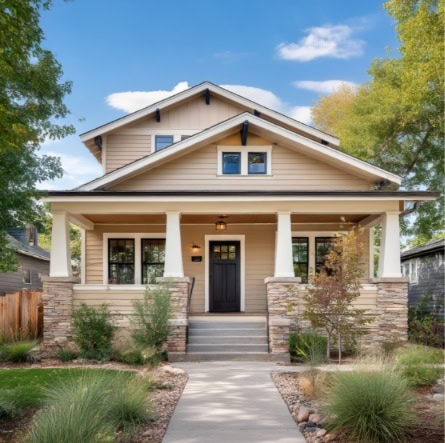
Other Details That Matter as Much as Thickness
Panel gauge is only one part of a siding system. Several other components can have an equal or greater influence on how the exterior looks and performs.
Profile and Color
Panel shape, lap depth, texture, and color affect shadow lines and how much visual movement appears across a wall. Darker shades may also make normal surface variations more noticeable under strong sunlight, making exposure an important part of the selection process.
Trim and Exterior Transitions
Corners, starter strips, J-channels, soffits, fascia, windows, and doors need to work together with the siding system. Poorly planned transitions can make otherwise good materials appear unfinished and may affect how water moves around exterior openings.
Weather-Resistive Layers and Ventilation
The protective layers behind siding help manage water that gets past the exterior cladding. Flashing and detailing around windows, doors, and other openings should be coordinated with those layers. Soffit and roof ventilation should also remain unobstructed so intended airflow paths continue to function.
Installation Quality
Vinyl panels need room for normal seasonal movement. Proper fastening, spacing, wall preparation, and accessory installation are essential because even a substantial panel can buckle or develop waviness when installed incorrectly.
A Practical Way to Compare Vinyl Siding Options
Instead of starting with the thickest product available, begin with the condition of the home and what you want the project to accomplish.
- Identify the main priority: Determine whether the project is intended to improve exterior appearance, address aging or damaged siding, increase rigidity, or coordinate siding with other exterior improvements.
- Compare actual products: Review full-size samples and manufacturer specifications rather than relying entirely on brochures. Compare thickness, rigidity, profile depth, locking edges, texture, and how colors appear outdoors.
- Review the installation plan: Ask how the existing wall surface will be evaluated, what preparation may be required, and how flashing, trim, and weather-resistive details will be handled around openings.
- Consider the home's exposure: Look at sunlight, prevailing winds, rooflines, landscaping, and existing wall conditions. These factors can influence whether a heavier panel offers a meaningful advantage.
This approach keeps the decision centered on the home's actual conditions and project goals rather than relying on a single product specification.
Choose Siding Based on the Complete Exterior System
The right Palatine, IL vinyl siding choice is not necessarily the thickest panel available. A stronger decision considers rigidity, profile, existing wall conditions, weather exposure, trim details, and the installation approach together.
Lake Cook Exteriors, Inc. offers complimentary consultations for homeowners who want to compare siding options based on their property's condition and project priorities. To consult with our vinyl siding specialists, call (847) 991-9180 and discuss an exterior plan suited to your home.