


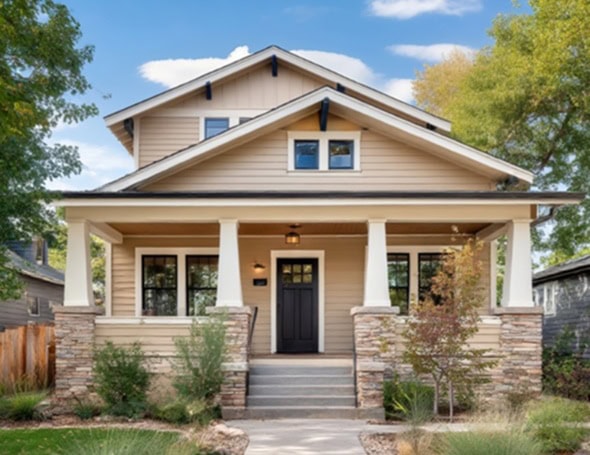
Choosing new siding often starts with color samples and inspiration photos, but many homeowners discover that too many design ideas can make the process feel complicated. When planning Arlington Heights, IL vinyl siding, the goal is usually not to create the boldest exterior on the block. Most homeowners want a balanced design that feels clean, timeless, and appropriate for the style of the house.
A thoughtful vinyl siding upgrade works best when every decision supports the home’s overall appearance instead of competing for attention. Color, profile selection, trim details, roofing, and stone accents all need to work together. A design that feels coordinated today is also more likely to age well over time.
Start With the Architectural Style of the Home
The easiest way to avoid an overwhelming exterior design is to let the home’s architecture guide the siding choices. A traditional colonial home often benefits from a simpler exterior layout, while a modern farmhouse may incorporate more contrast and texture.
Instead of mixing several siding styles randomly, homeowners usually get better results by limiting changes to one or two focal areas. For example:
- Horizontal lap siding may create a consistent main body appearance.
- Vertical siding can be used selectively on gables or accent sections.
- Board and batten styles are often added to create visual interest without covering the entire home.
Because lap siding, vertical siding, and board and batten are profiles rather than materials, the final appearance depends on the actual siding material and finish selected.
Keeping the design restrained often creates a cleaner and more intentional appearance.
Why Color Balance Matters More Than Trendy Contrast
Many exterior designs become visually overwhelming because of excessive contrast. Dark siding with bright white trim, multiple accent colors, decorative shutters, and mixed textures can quickly compete against one another.
A more balanced exterior design usually includes one dominant siding color, a complementary trim color, and limited accent materials that support the overall appearance instead of competing for attention.
Neutral shades remain popular because they work with many architectural styles and are easier to coordinate with brick, stone, or landscaping. That does not mean homeowners must avoid contrast entirely. The key is using contrast in controlled areas rather than throughout the entire exterior.
Vinyl siding can also offer different texture options, including smooth finishes and cedar-look appearances. Cedar-look refers to the appearance only and does not automatically mean the product contains real cedar wood.
Planning Accent Areas Without Overusing Them
Accent siding can help break up large wall sections, but too many accents may create visual clutter. Small design details tend to have a greater impact when they are used selectively.
Common areas where accents are often effective include:
- front-facing gables
- entryway sections
- dormers
- garage peaks
When every section of the home uses a different color or profile, the eye has no clear focal point. Simpler layouts usually feel more cohesive and easier to maintain visually over time.
Homeowners exploring different siding layouts can also review vinyl siding profiles and finish options with our team to better understand how various designs may work with their existing exterior features.
Coordinate Siding with Existing Exterior Elements
A siding project rarely exists on its own. Roofing, gutters, windows, stonework, and landscaping all affect the final appearance of the home.
For example, warm beige siding may clash with a cool gray roof. A heavily textured siding finish may compete visually with patterned brick or decorative stone. Looking at all exterior components together helps prevent expensive design mismatches later.
This is one reason many homeowners appreciate design and budget guidance before installation begins. Reviewing samples in natural daylight and viewing larger mockups often makes color coordination easier than relying on small showroom pieces alone.
At Lake Cook Exteriors, Inc., projects are approached with practical planning rather than rushed design decisions. Homeowners often benefit from taking time to narrow selections instead of trying to combine every appealing trend into one project.
How Simpler Exterior Designs Often Age Better
Exterior trends change regularly, but siding is a long-term investment. A design that feels overly aggressive or trend-focused today may feel dated sooner than expected.
Balanced exteriors tend to remain visually appealing because they focus on proportion and coordination instead of novelty. Clean color transitions, moderate contrast, and consistent materials often help the home maintain a timeless appearance.
Vinyl siding is also commonly chosen because it does not require painting and can typically be cleaned with routine washing, which supports long-term exterior upkeep without adding excessive maintenance demands.
Homeowners planning future renovations may also benefit from choosing vinyl siding colors that coordinate easily with future roofing or window replacements.
What Happens During a Vinyl Siding Design Consultation?
A siding consultation usually starts with evaluating the current exterior condition and discussing homeowner priorities. Some homeowners want a cleaner appearance, while others are trying to modernize an outdated color scheme or improve exterior consistency after previous additions.
During the planning stage, contractors may review siding profiles, color combinations, trim details, and how the new siding will coordinate with existing roofing or masonry features. Budget discussions also help narrow options without forcing unnecessary upgrades that may not fit the home’s design goals.
Can Vinyl Siding Work on Both Traditional and Modern Homes?
Vinyl siding is adaptable because it comes in multiple profiles, textures, and color options. Traditional homes often use horizontal lap siding for a classic appearance, while modern designs may combine vertical siding accents with darker trim colors.
The overall success of the project depends less on following trends and more on matching the siding layout to the home’s architecture. A carefully planned exterior typically feels more balanced than a design with too many competing textures or colors.
How Do Homeowners Avoid Choosing Too Many Exterior Features?
One of the most effective ways to simplify exterior design decisions is to establish a clear priority before selecting materials. Some homeowners focus on creating contrast around the entryway, while others prioritize color coordination with existing brick or roofing.
Limiting the number of accent areas usually creates a cleaner result. Instead of combining several siding colors and multiple decorative features, many homeowners find that a restrained design creates a more polished appearance over time.
Creating a More Balanced Exterior Design
A successful siding project should make the home feel more cohesive, not visually crowded. When planning Arlington Heights, IL vinyl siding, careful coordination often produces a more timeless result than chasing multiple exterior trends at once.
Homeowners who want practical guidance can schedule a vinyl siding consultation with our team to review siding layouts, colors, and exterior design considerations that fit their home and budget. To learn more or request a consultation, call Lake Cook Exteriors, Inc. at (847) 991-9180.